Sports Projects
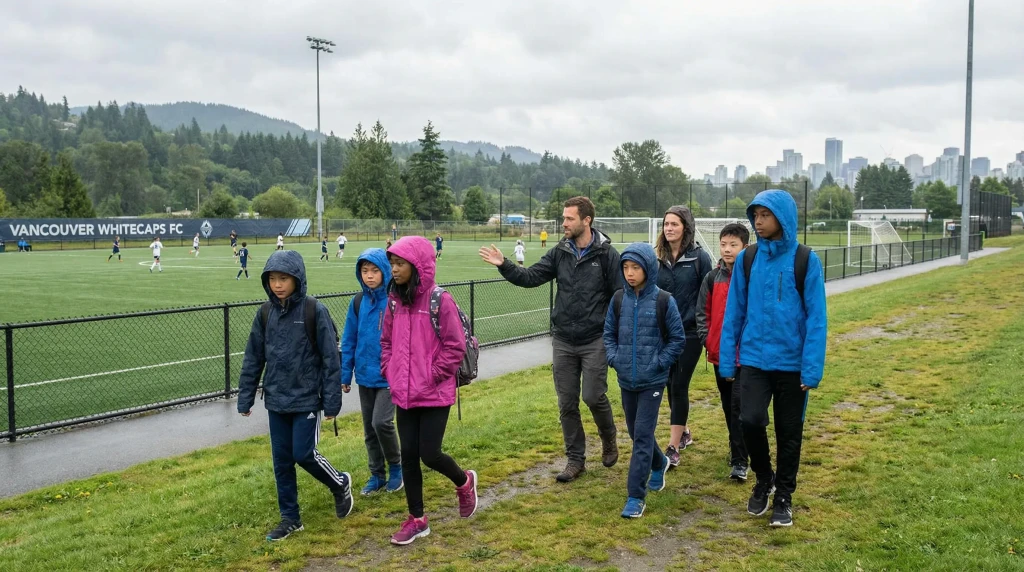
Through research-based athletic challenges and hands-on teamwork drills, learners explore the world of sports science, training strategies, biomechanics, and performance analytics. Students apply scientific methods, experiment with fitness variables, and understand how elite athletes train, compete, and improve. The curriculum emphasizes discipline, resilience, coordination, and strategic thinking,: transferable skills that benefit both academics and everyday life.
Project Details
Sports Science Experiments: Measuring speed, agility, reaction time, and endurance through classroom-safe activities.
Performance Data Tracking: Students record metrics and learn how professional athletes use analytics to improve outcomes.
Team Strategy Simulations: Exploring roles, formations, and decision-making in real sport scenarios.
Biomechanics Exploration: Understanding how muscles, bones, and movement patterns affect performance.
Nutrition & Recovery Fundamentals: Basics of healthy eating, hydration, and rest routines for young athletes.
Leadership & Sportsmanship Training: Structured activities developing communication and cooperation.
Sports Projects help children build strong habits, understand their bodies, and develop the mindset of disciplined high performers. With structured physical and analytical tasks, learners grow physically, intellectually, and emotionally — preparing them for healthy lifestyles and confident self-expression.
Project Details
Sports Science Experiments: Measuring speed, agility, reaction time, and endurance through classroom-safe activities.
Performance Data Tracking: Students record metrics and learn how professional athletes use analytics to improve outcomes.
Team Strategy Simulations: Exploring roles, formations, and decision-making in real sport scenarios.
Biomechanics Exploration: Understanding how muscles, bones, and movement patterns affect performance.
Nutrition & Recovery Fundamentals: Basics of healthy eating, hydration, and rest routines for young athletes.
Leadership & Sportsmanship Training: Structured activities developing communication and cooperation.
Sports Projects help children build strong habits, understand their bodies, and develop the mindset of disciplined high performers. With structured physical and analytical tasks, learners grow physically, intellectually, and emotionally — preparing them for healthy lifestyles and confident self-expression.
Project Details
Sports Science Experiments: Measuring speed, agility, reaction time, and endurance through classroom-safe activities.
Performance Data Tracking: Students record metrics and learn how professional athletes use analytics to improve outcomes.
Team Strategy Simulations: Exploring roles, formations, and decision-making in real sport scenarios.
Biomechanics Exploration: Understanding how muscles, bones, and movement patterns affect performance.
Nutrition & Recovery Fundamentals: Basics of healthy eating, hydration, and rest routines for young athletes.
Leadership & Sportsmanship Training: Structured activities developing communication and cooperation.
Sports Projects help children build strong habits, understand their bodies, and develop the mindset of disciplined high performers. With structured physical and analytical tasks, learners grow physically, intellectually, and emotionally — preparing them for healthy lifestyles and confident self-expression.
Challenges Addressed
Challenge: Understanding Abstract Sports Science Concepts
Students often struggle to visualize how biology, physics, and strategy influence athletic performance.
Solution:
Hands-on measurement tools, visual charts, and movement-based demonstrations simplify complex ideas and make them memorable.
Challenge: Balancing Competition With Collaboration
Sports can sometimes lead to emotional frustration or overly competitive attitudes.
Solution:
Activities emphasize teamwork, encouragement, and collective wins rather than individual victories.
Challenge: Limited Exposure to Diverse Sports
Many students only encounter a small set of sports activities at school.
Solution:
The program introduces global sports, inclusive physical challenges, and low-equipment games that every learner can enjoy.
Challenges Addressed
Challenge: Understanding Abstract Sports Science Concepts
Students often struggle to visualize how biology, physics, and strategy influence athletic performance.
Solution:
Hands-on measurement tools, visual charts, and movement-based demonstrations simplify complex ideas and make them memorable.
Challenge: Balancing Competition With Collaboration
Sports can sometimes lead to emotional frustration or overly competitive attitudes.
Solution:
Activities emphasize teamwork, encouragement, and collective wins rather than individual victories.
Challenge: Limited Exposure to Diverse Sports
Many students only encounter a small set of sports activities at school.
Solution:
The program introduces global sports, inclusive physical challenges, and low-equipment games that every learner can enjoy.
Challenges Addressed
Challenge: Understanding Abstract Sports Science Concepts
Students often struggle to visualize how biology, physics, and strategy influence athletic performance.
Solution:
Hands-on measurement tools, visual charts, and movement-based demonstrations simplify complex ideas and make them memorable.
Challenge: Balancing Competition With Collaboration
Sports can sometimes lead to emotional frustration or overly competitive attitudes.
Solution:
Activities emphasize teamwork, encouragement, and collective wins rather than individual victories.
Challenge: Limited Exposure to Diverse Sports
Many students only encounter a small set of sports activities at school.
Solution:
The program introduces global sports, inclusive physical challenges, and low-equipment games that every learner can enjoy.
More Projects
More Projects
More Projects